
Image Gallery:
FG Targets Youth, Women Jobs Through Livestock Value Chains
The Federal Government has identified opportunities across Nigeria’s livestock value chains capable of creating sustainable employment for young people and women, as part of efforts to reposition the sector as a major driver of economic growth and social mobility.
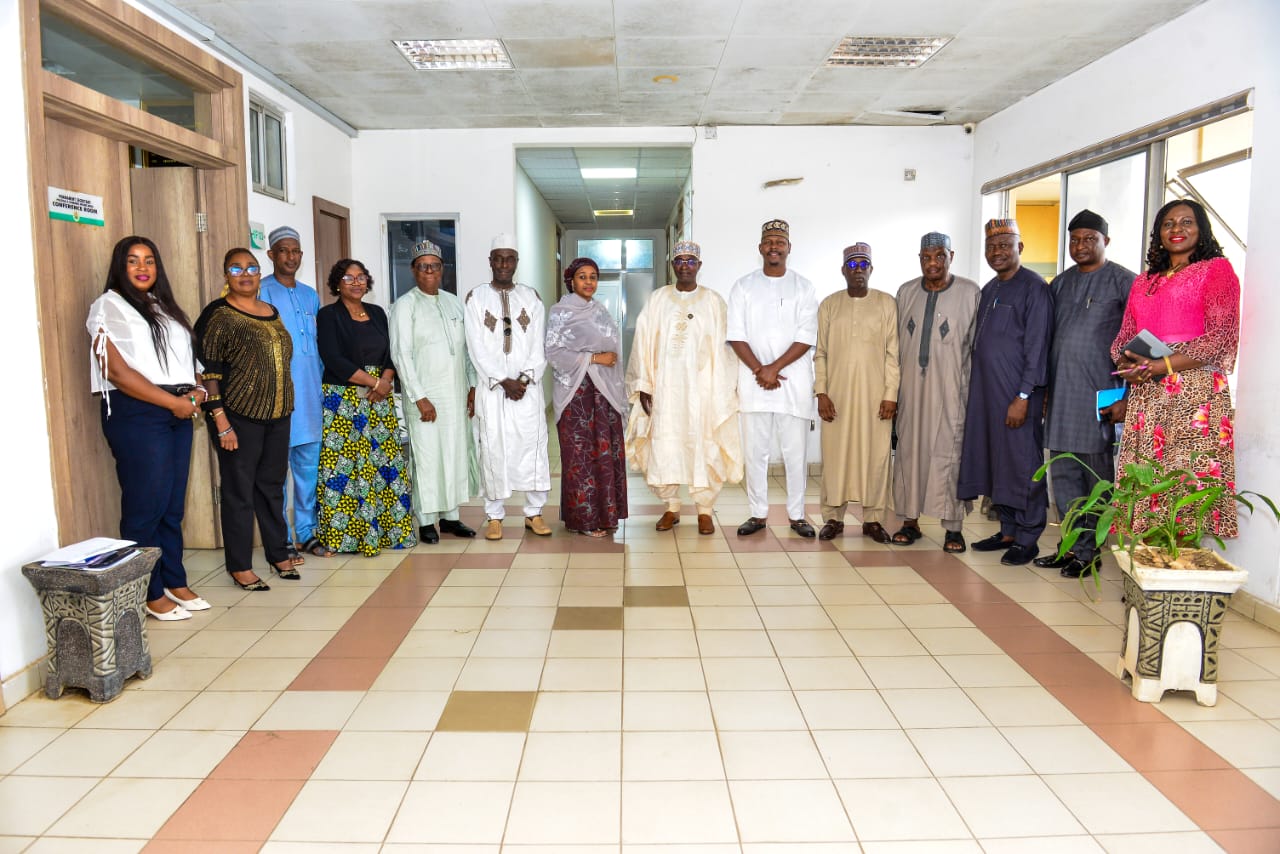
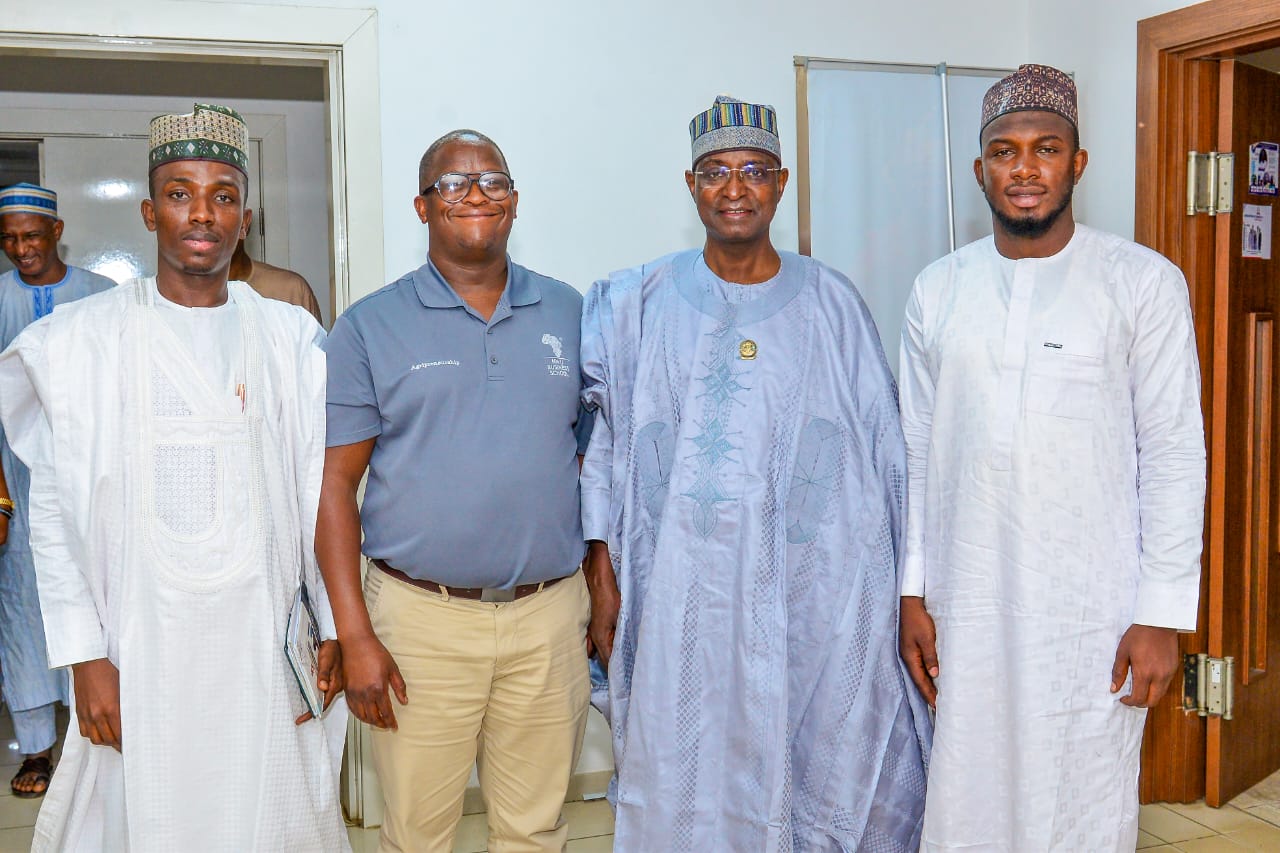
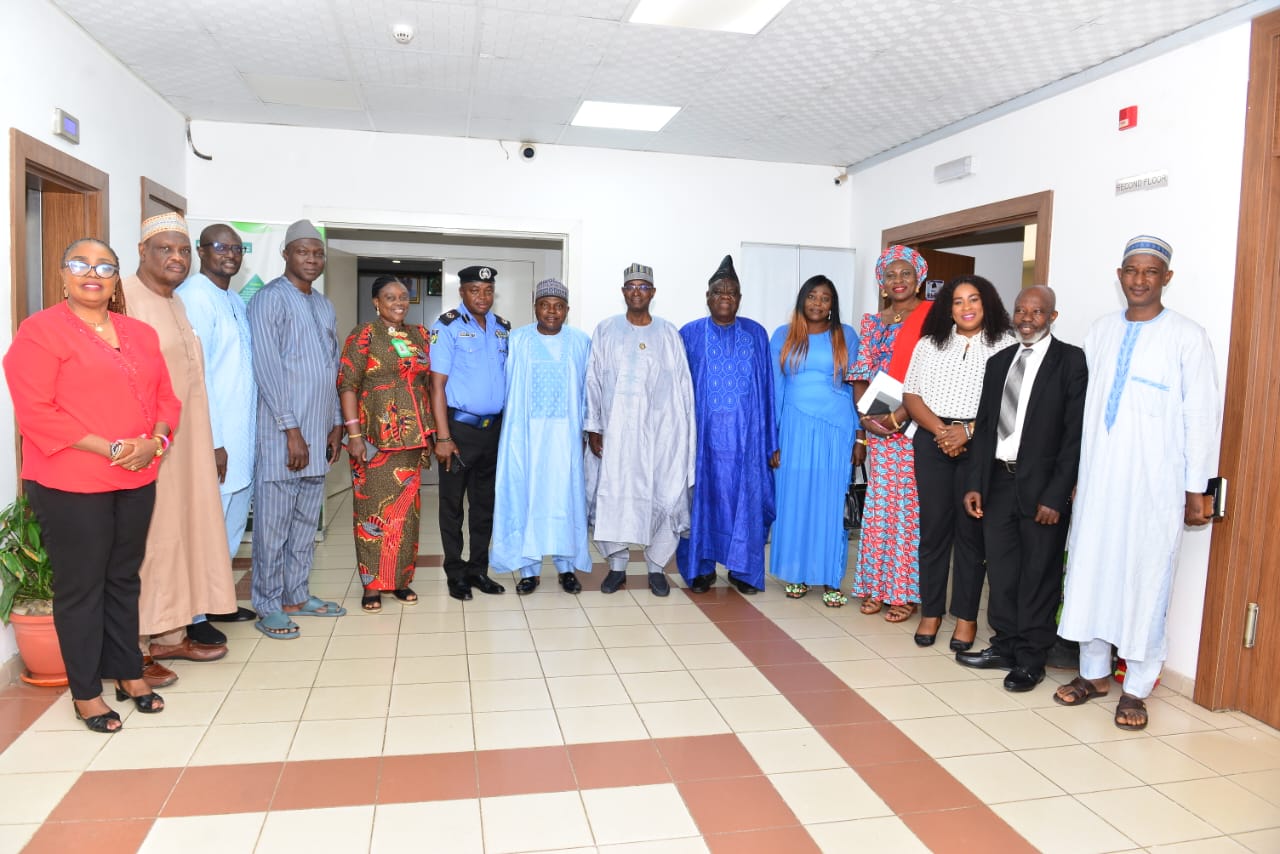
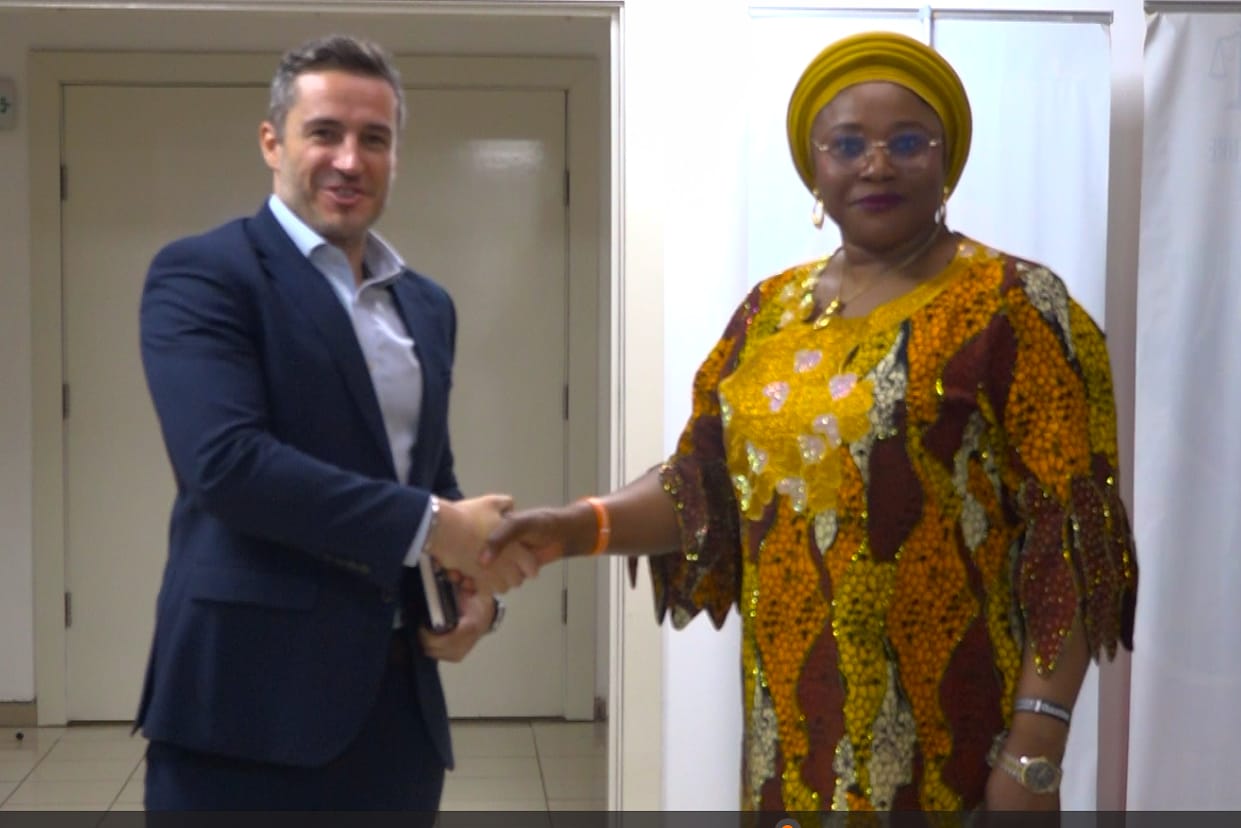
The Honourable Minister of Livestock Development, Idi Mukhtar Maiha, made this known during a meeting with the Technical Adviser to the Vice President on Women and Youth Engagement and Impact in Abuja on Thursday 13th August 2026, where he outlined opportunities across meat, dairy, leather, feed production, animal health, transportation, processing and other livestock-related businesses.
The Minister said the Federal Government's approach was to move beyond isolated interventions and develop interconnected value chains in which producers, processors, service providers, transporters and off-takers operate as part of a coordinated system.
He explained that a single investment, such as a modern abattoir, could stimulate employment across several stages of the value chain, including cattle production, feed and pasture development, veterinary services, transportation, meat processing, cold-chain storage and distribution.
According to him, an abattoir processing about 500 bulls daily could generate up to 10,000 direct and indirect employment opportunities across its associated value chain.
Mukhtar also highlighted dairy production as an area with significant potential for women, particularly through a distributed production model in which women can keep dairy animals at household level, while aggregators provide access to feed, animal health services and markets.
He said such an arrangement would enable women to generate regular income from milk production without having to manage the entire dairy value chain individually.
The Minister stressed that, the Ministry's focus was on creating systems that make livestock enterprises commercially viable and sustainable, rather than simply providing livestock or financial support without adequate market linkages.
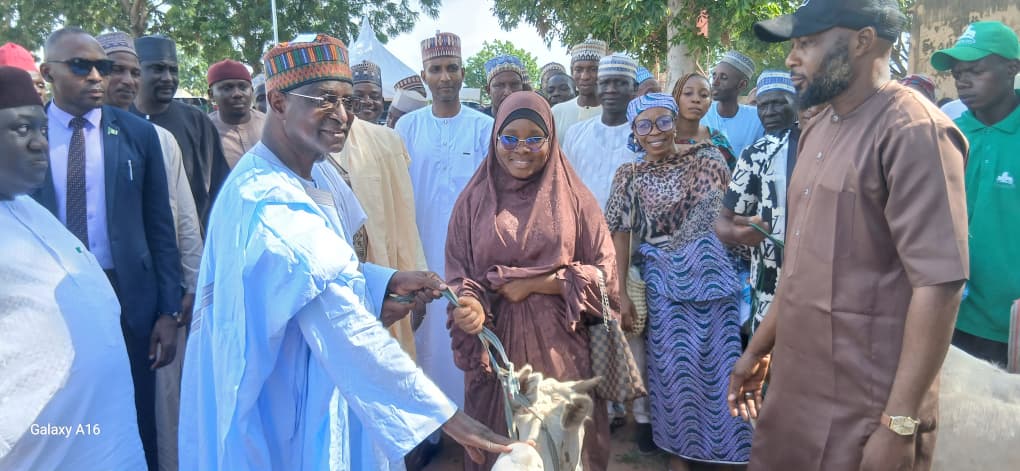
He cited the example of livestock fattening schemes in which beneficiaries sold animals provided to them after receiving training and support, stressing the need for stronger controls, structured production systems and guaranteed off-takers.
"We need to establish feedlot estates," the Minister said, explaining that such facilities could bring together animal fattening, pasture production, feed supply, veterinary services and guaranteed off-take arrangements within an integrated system.
He further identified sheep and goat fattening, leather and skin collection, dairy processing and the utilisation of livestock by-products as areas with significant employment and investment potential.
Mukhtar noted that , Nigeria's livestock sector currently loses substantial economic value because animals and animal products are traded with limited processing and value addition. He cited the example of the Mai Gateri livestock market, where large volumes of animals are traded weekly without corresponding value addition.
He also reaffirmed the Ministry's commitment to practical training, noting that livestock education must combine classroom instruction with substantial field experience.
"For us in livestock, training in our colleges should be 30 percent classroom and 70 percent field experience," Maiha said, stressing that functional farms should be integral to livestock training institutions.
The Minister called on development partners and private sector investors to work with the Ministry to develop pilot projects and scale viable models across the country's livestock value chains.
He said the opportunities identified were not limited to primary production, but extended to processing and manufacturing, including meat and milk processing, leather production, feed manufacturing, cold-chain logistics and the conversion of animal waste into energy and fertiliser.
In her opening speech, the Technical Adviser to the Vice President, on Women Youths Engagement and Impact, Hajia Hauwa Lima stated that, the aim of her visit is for strategic engagement with the Ministry and other Stakeholders in the Livestock value chain that would provide entrepreneurial support system for about 500 Nigerian youths and Women .
According to her ,the trajectory is moving up in the direction of making young entrepreneurs to come on board the Agricultural and Livestock value chain .
She informed the Minister that, she visited about 7 States namely, Cross River, Akwa Ibom, Kano , Kaduna, Jigawa, Oyo, Katsina across the 4 geo- political Zones of the country to carry out surveys on entrepreneurial support system expectations of the youths and women from the Government.
She further informed the Minister that, the Vice President, Senator Shettima Kassim has directed that there is a need for stronger engagement with relevant Stakeholders and development partners to ensure that the upcoming Arewa Agric and Innovative Summit ( AAIS) 2026, will bring together Nigerian Youths and Women entrepreneurs as well as Policy makers, sector development partners to ensure sustainable growth in the Livestock sector in Nigeria.
Henrietta Okokon
Information and Public Relations Department
12/8/26

Comments on Post (0)