
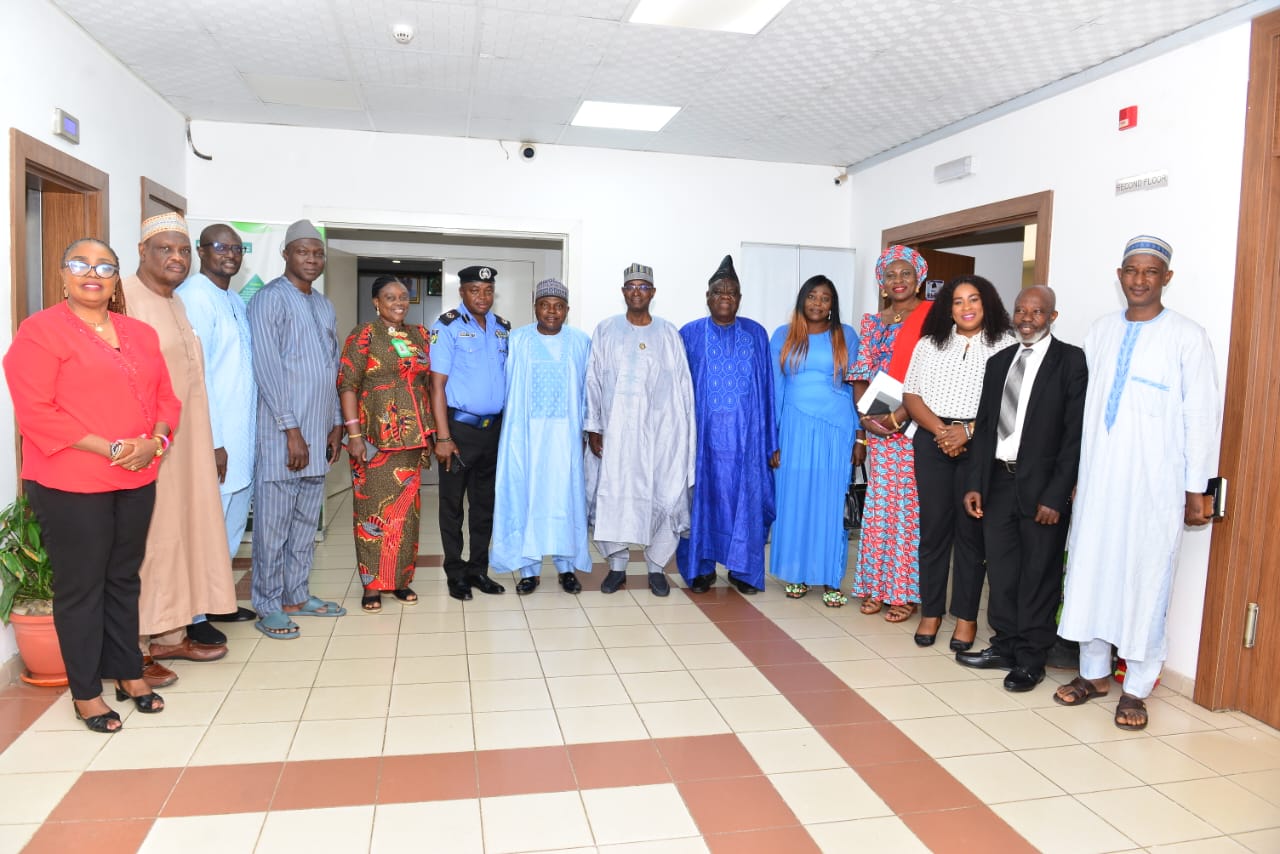
Image Gallery:
Nigeria, Uganda Deepen Partnership to Transform Livestock Sector
The Federal Government has expressed its readiness to strengthen collaboration with Uganda in key areas of livestock development, including improved animal genetics, fodder production, crossbreeding, household ranching, technology transfer, livestock trade and knowledge exchange.
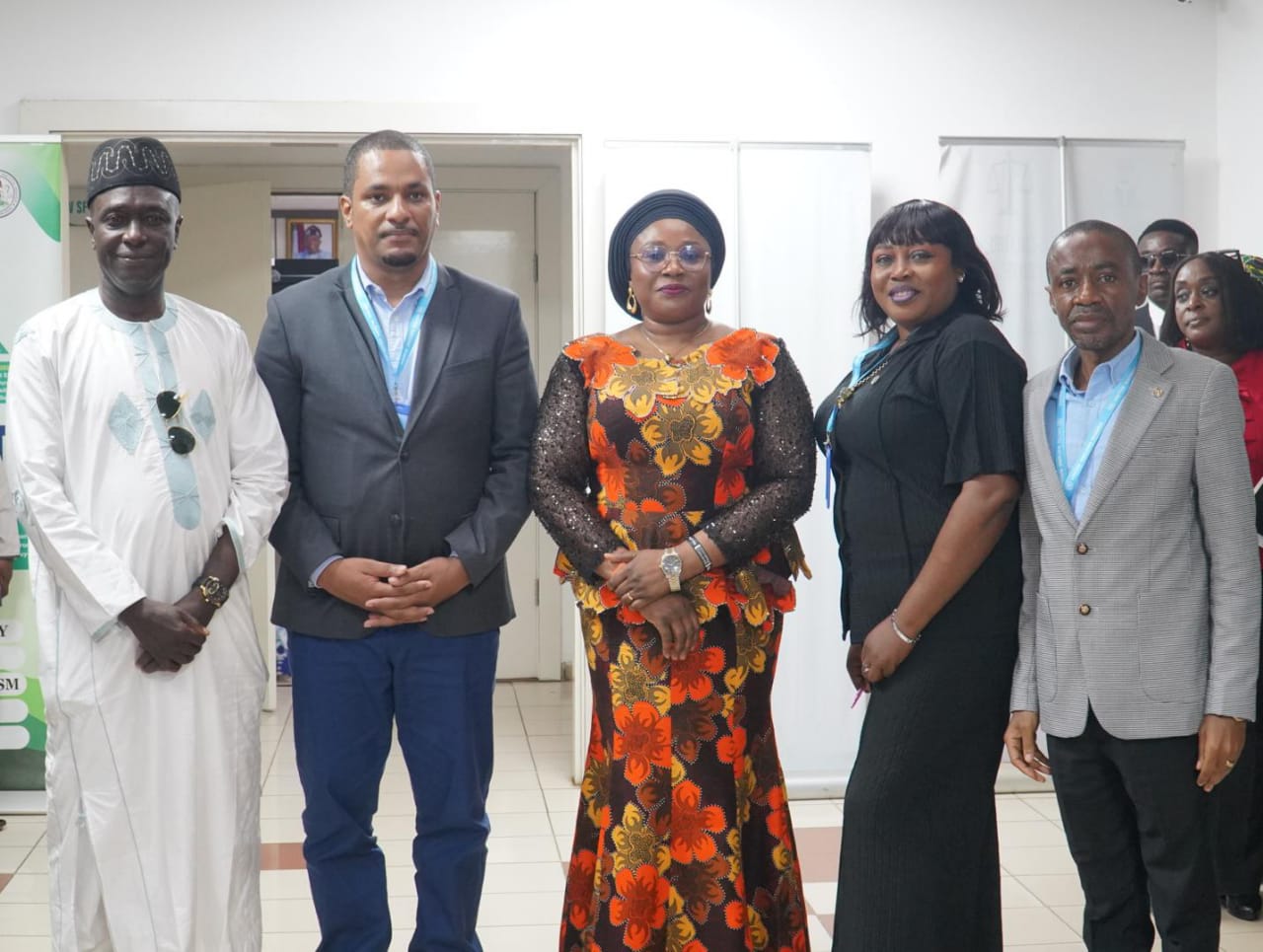
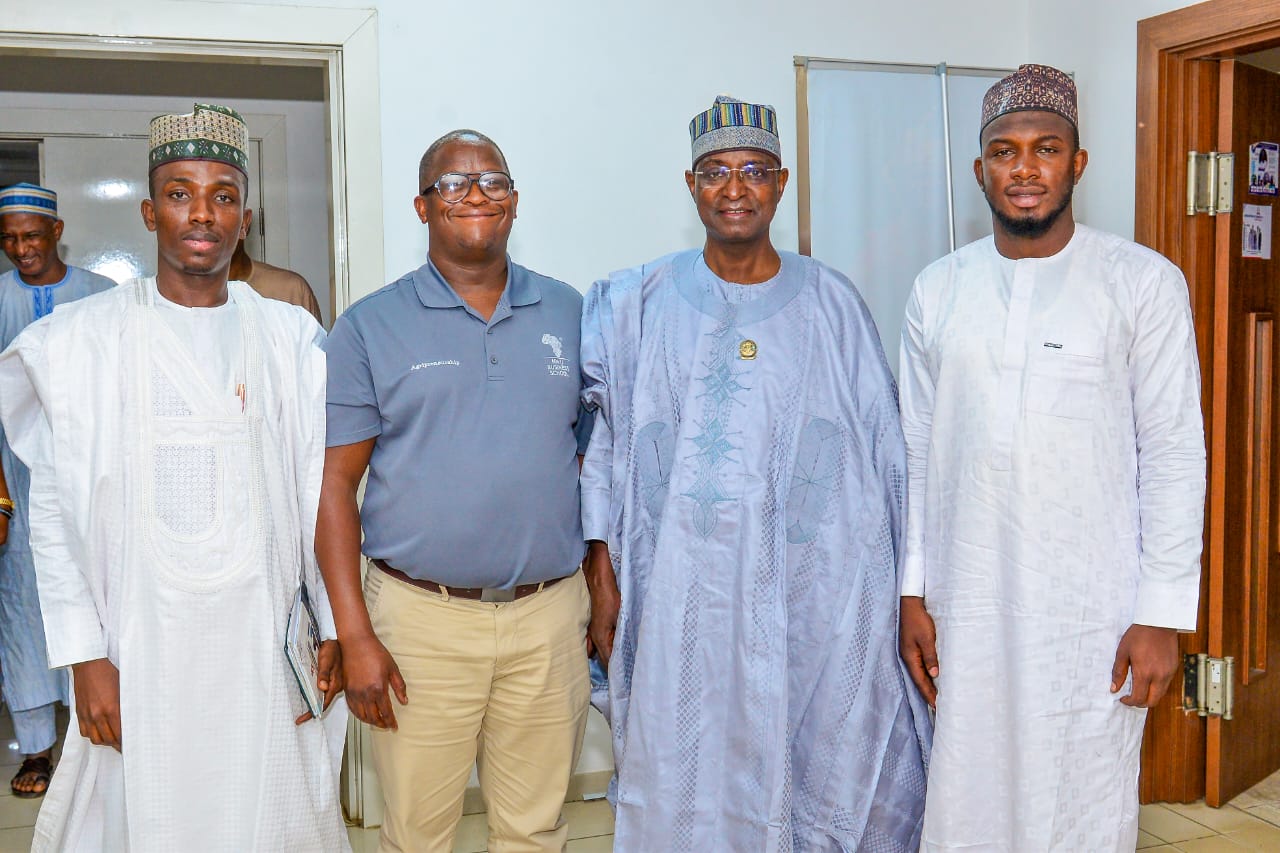
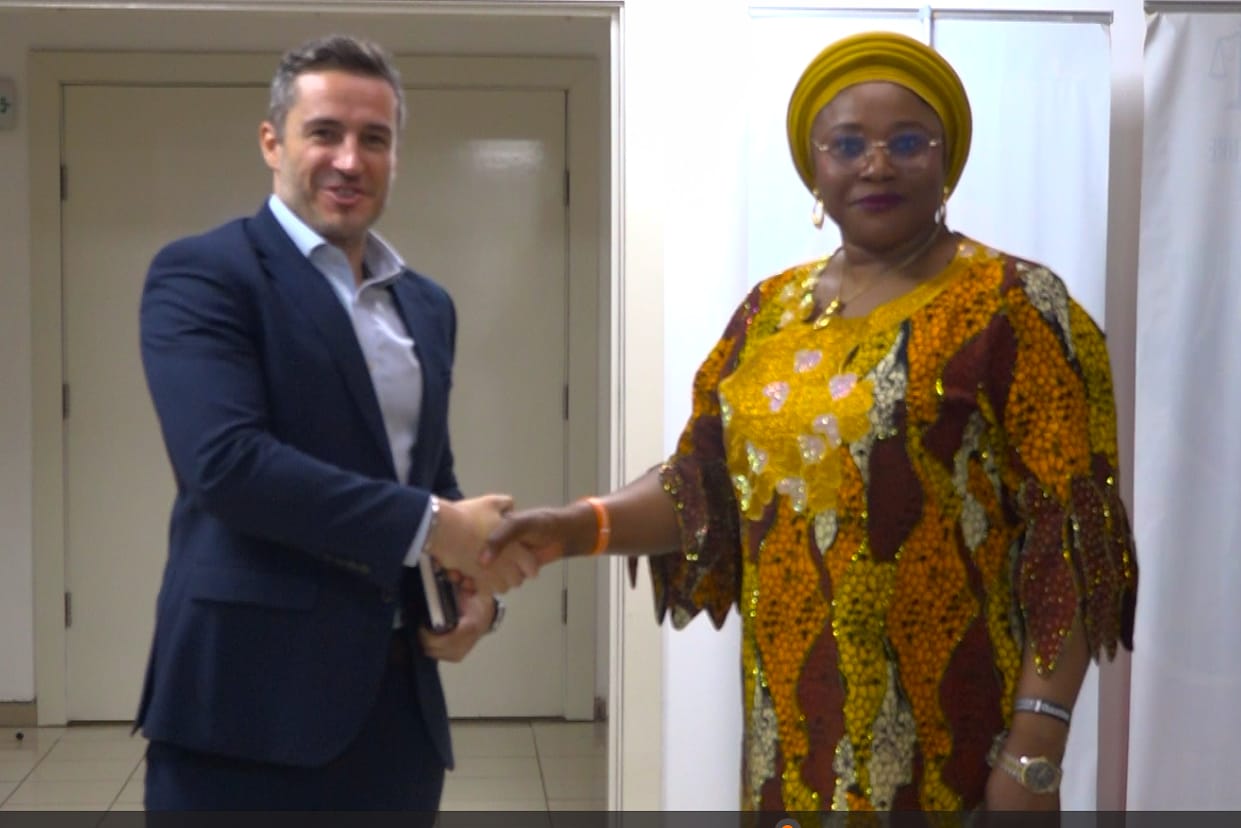
The Honourable Minister of Livestock Development, Hon. Idi Mukhtar Maiha, stated this on Wednesday, 26th August 2026, when he received a delegation of the Nigeria-Uganda Chamber of Commerce, Industry, Mines and Agriculture, led by its President, Chief Michael Awunor, on a courtesy visit to the Ministry in Abuja.
Chief Awunor, who conveyed greetings from the Ugandan High Commission in Nigeria, said the visit was aimed at exploring opportunities for stronger cooperation between Nigeria and Uganda, particularly in the livestock sector.
He identified livestock feed and concentrates, cattle genetics, crossbreeding and household ranching as areas in which Nigeria could benefit from Uganda’s experience and expertise.
According to him, Nigerian livestock stakeholders were already sourcing cattle genetics and fodder from Uganda, stressing the need for a more structured and legally regulated framework to facilitate such exchanges.
Chief Awunor also highlighted Uganda’s household ranching model, under which families keep manageable numbers of livestock within or around their homes, noting that the approach could provide useful lessons for Nigeria in improving productivity and addressing some of the challenges associated with open grazing.
He further disclosed that, the Nigeria-Uganda Chamber of Commerce was working to strengthen bilateral trade relations between both countries and expressed interest in facilitating exchange programmes involving Nigerian and Ugandan women engaged in livestock production.
Responding, the Minister , commended the initiative and emphasised the importance of learning from successful livestock production systems in other countries while adapting such models to Nigeria’s local realities.
He expressed particular interest in Uganda’s household ranching model, observing that elements of household-based livestock production already exist in different parts of Nigeria, although they are largely managed through traditional methods.
The Minister noted that, many Nigerian households keep cattle, sheep, goats, pigs and other livestock, but often lack access to improved breeds, appropriate feeding systems, veterinary services, water, technology and modern management practices needed to maximise productivity.
He explained that, modernising household livestock production could enable families to maintain smaller numbers of more productive animals close to their homes, provide adequate feed and water, improve animal health and ultimately increase household income, food security and nutrition.
Maiha therefore directed, relevant officials of the Ministry to study Uganda’s experience, particularly its approaches to animal feeding, animal health, water provision, extension services, marketing and the engagement of rural households, women and young people.
On technology transfer, the Minister stressed , the importance of collaboration in agricultural and livestock machinery, particularly the development of simple and affordable technologies suited to smallholder farmers.
He noted that, sophisticated machinery is often expensive and difficult for smallholder farmers to acquire and maintain, adding that Nigeria could benefit from partnerships with countries such as Uganda in developing or adapting cost-effective technologies that meet the needs of local livestock producers.
On animal genetics, Maiha expressed interest in Uganda’s efforts to conserve and improve indigenous livestock breeds, including cattle, goats, poultry and pigs.
He called for further technical discussions on the possible exchange of genetic materials, subject to relevant veterinary, technical and regulatory requirements, noting that improved genetics could significantly enhance meat and milk production in Nigeria.
The Minister also, expressed strong interest in Uganda’s experience in fodder production and directed relevant officials to engage with the Nigerian-Ugandan delegation to identify opportunities for cooperation, knowledge sharing and technology transfer.
He emphasised that, increased fodder production was critical to the modernisation of Nigeria’s livestock industry and the transition towards more productive, resilient and sustainable livestock production systems.
Maiha further called , for stronger South-South and intra-African cooperation, stressing that Nigeria could derive significant benefits from exchanging knowledge, technologies and practical experiences with other African countries.
He said the Ministry was particularly interested in establishing a structured partnership with the Nigeria-Uganda Chamber of Commerce covering livestock trade, genetics, fodder production, household ranching, technology transfer and other areas capable of accelerating the development of Nigeria’s livestock sector.
The Minister also welcomed, the proposed engagement with the Ugandan High Commission and directed that a meeting be facilitated with the High Commissioner to explore concrete areas of bilateral cooperation.
He stressed that , the proposed partnership must translate into practical opportunities and tangible benefits for livestock producers, women, young people and businesses in both countries.
Earlier, Chief Awunor disclosed that the Ugandan High Commission in Nigeria had expressed interest in meeting with the Minister to further discuss opportunities for strengthening bilateral cooperation.
He also stated that, efforts were underway towards a bilateral trade agreement between Nigeria and Uganda, with the Chamber expected to play a role in facilitating stronger commercial relations between both countries.
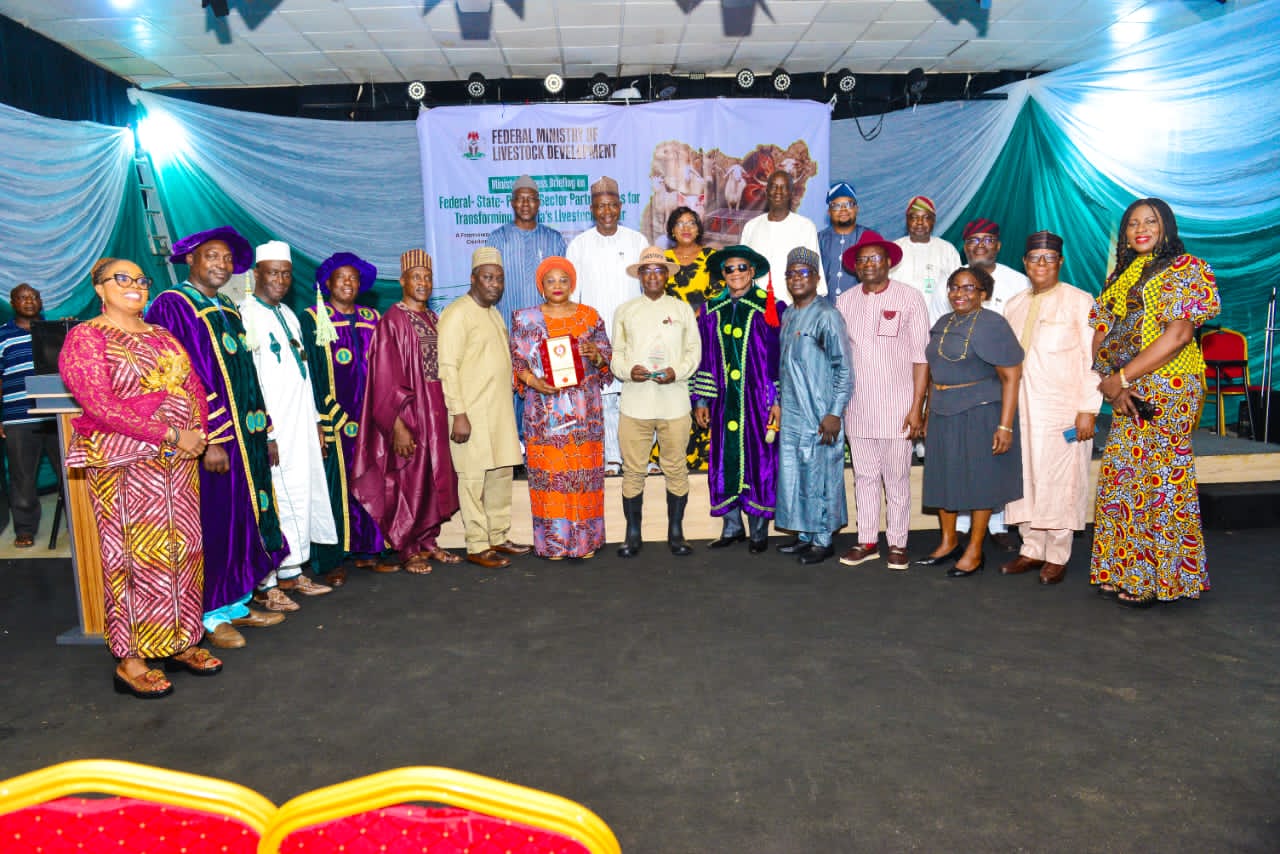
The meeting ended with an agreement to sustain discussions on livestock genetics, fodder production, household ranching, technology transfer, livestock trade and exchange programmes as part of broader efforts to strengthen Nigeria-Uganda relations and accelerate the modernisation of Nigeria’s livestock sector.
Henrietta Okokon
Deputy Director, Press and Public Relations Unit
26th August, 2026

Comments on Post (0)