
Image Gallery:
Livestock Council Adopts National Actions to Drive Sector Transformation
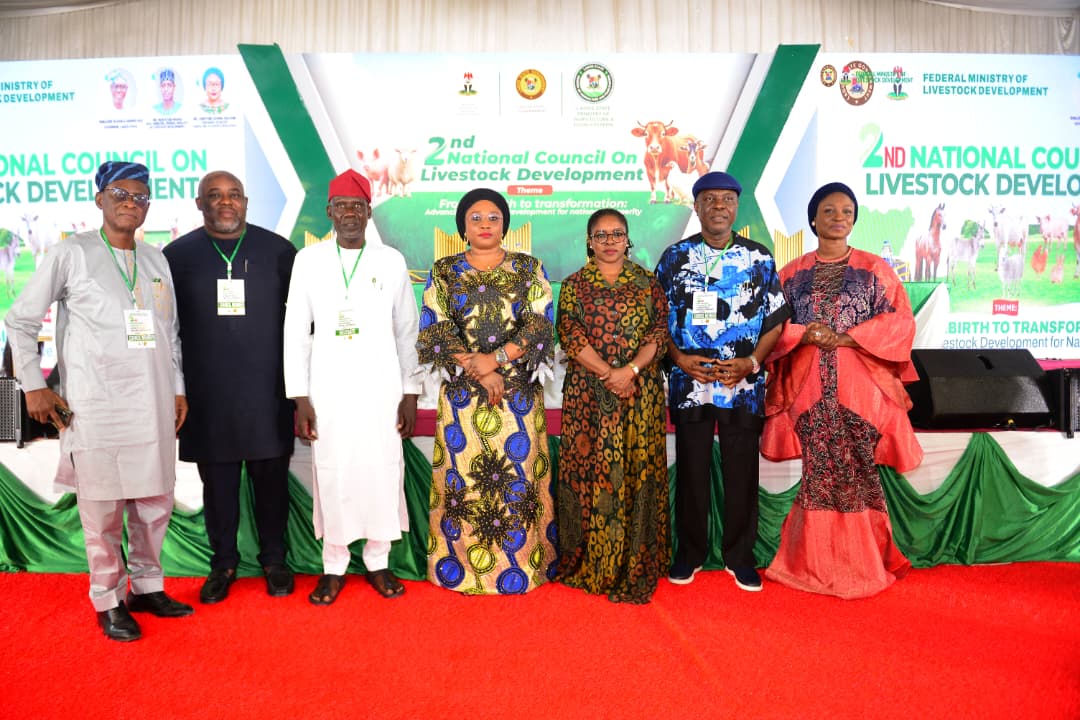
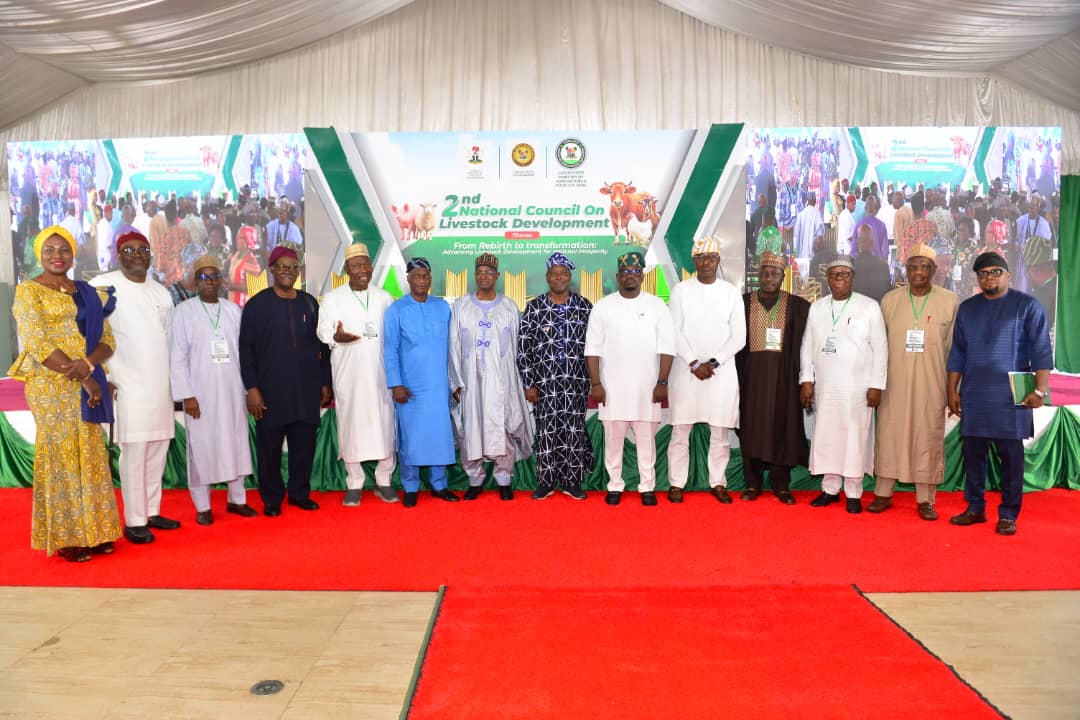
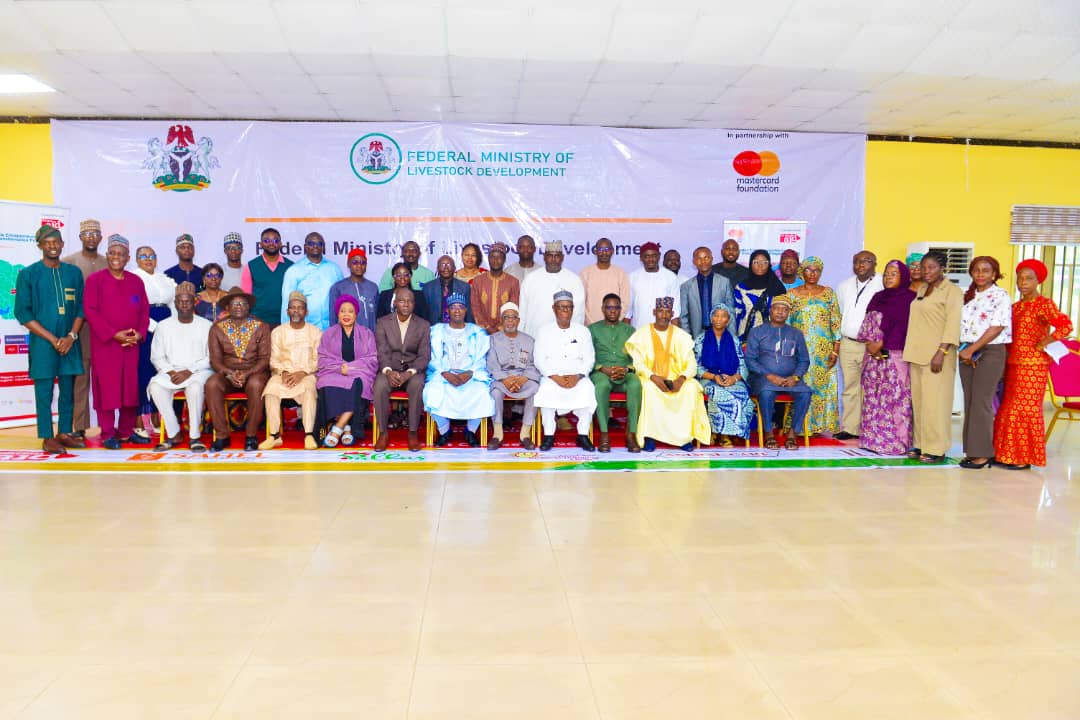
The Federal Government has secured renewed commitments from States, private sector investors, development partners and other stakeholders to accelerate livestock development, following the successful conclusion of the Second National Council on Livestock Development in Lagos.
The two-day Council, themed “From Rebirth to Transformation: Advancing Livestock Development for National Prosperity,” reviewed progress since the maiden edition held in Yola, Adamawa State, and adopted a range of resolutions aimed at strengthening livestock productivity, food security, animal health, investment and economic growth.
Speaking at the Council, the Honourable Minister of Livestock Development, Idi Mukhtar Maiha, described the meeting as a defining opportunity to move the sector from institutional rebirth to measurable transformation.
“Yola represented our collective commitment to begin again. Lagos must represent our determination to scale, coordinate, transform and deliver,” the Minister said.
He highlighted key achievements recorded since the establishment of the Ministry, including the registration of eight pasture species, the launch of the Nigerian Livestock Master Plan, the commissioning of five solar-powered cold-storage facilities and seven Model Veterinary Hospitals, as well as the inauguration of Nasari Livestock Village in Yobe State and Gongoshi in Adamawa State.
The Minister also disclosed that the Federal Government was working to expand vaccine production capacity at the National Veterinary Research Institute, Vom, from 120 million to 850 million doses annually, while targeting an increase in national milk production from approximately 700,000 metric tonnes to 1.4 million metric tonnes within five years.
He called for a coordinated national livestock development framework, noting that about 21 States had established dedicated livestock ministries or agencies, while 30 States had enrolled in the World Bank-assisted Livestock Productivity and Resilience Support Project (L-PRES).
“The next stage is transformation. Let every State find its strength, let every community share in the opportunity and prosperity, let every investor find a clear path, and let every Nigerian benefit from safer food, better jobs and a more peaceful national economy,” he said.
Maiha stressed the importance of common national standards for animal identification and traceability, veterinary public health, disease reporting, abattoir inspection, meat certification and feed quality, while urging States to identify and develop livestock value chains suited to their respective ecological and economic advantages.
On the red-meat value chain, he cited Lagos as a major market, with an estimated annual consumption of 2.9 million cattle, valued at approximately ₦2.79 trillion, stressing the need to modernise slaughter facilities, strengthen veterinary inspection and improve meat processing, refrigeration and traceability.
The Minister further advocated stronger public-private partnerships in livestock investment, particularly in feed and fodder production, dairy development, ranching, vaccine manufacturing, processing and export logistics.
In her remarks, Permanent Secretary of the Ministry, Dr Chinyere Ijeoma Akujobi, identified credible livestock data as fundamental to effective planning and policy implementation.
“The Ministry has conducted a National Livestock Baseline Survey to establish a clearer picture of the current status of the livestock sector. We must know where we are before we can determine where we intend to go and accurately measure the progress we make along the way,” she stated.
She also called on States to adopt the Ministry's harmonised Monitoring and Evaluation Framework to strengthen data collection, reporting and performance measurement.
The Council received goodwill messages from key stakeholders across the livestock sector, including the Food and Agriculture Organisation (FAO) of the United Nations, the Nigeria Police Force, the Nigeria Agricultural Quarantine Service (NAQS), the ABIS Group and other industry representatives.
In his goodwill message, the Chairman, House Committee on Livestock Development, Hon. Tasir Raji, identified persistent challenges confronting the sector, including farmer-herder clashes, cattle rustling, insecurity in farming communities, inadequate storage facilities and shortages of feed and fodder.
He assured stakeholders of the National Assembly's commitment to providing the necessary legislative support and oversight to advance the Ministry's mandate.
Similarly, the President of the Veterinary Council of Nigeria, Prof. Matthew Adamu, and Professor Emmanuel B. Sonaiya, who delivered keynote addresses, joined other stakeholders in expressing support for ongoing efforts to reposition the livestock sector for increased productivity, sustainable development and national prosperity.
The Council adopted resolutions covering the establishment of strategic fodder banks and crop-residue processing centres, compensation mechanisms for affected farmers during major animal disease outbreaks, species-specific Livestock Development Centres, improved animal welfare, stronger abattoir inspection, national animal identification and traceability, and the development of digital livestock monitoring and information systems.
Other resolutions included the promotion of the proposed National Livestock Development Fund, establishment of a National Animal Disease Contingency Fund, implementation of the National Action Plan for Dairy Production, domestication of the ECOWAS Animal Identification Fund and improved funding for animal health services.
The Council also called for a framework to monitor the implementation of its resolutions, stronger coordination between Federal and State Governments, and improved engagement with stakeholders.
The Council unanimously agreed that the Third National Council on Livestock Development would hold in Abuja in 2027, with the date to be announced subsequently.
Henrietta Okokon
Head, Press and Public Relations
27th November, 2026
Comments on Post (0)