
Image Gallery:
AU-IBAR Assesses Nigeria's Readiness for 2030 PPR Eradication
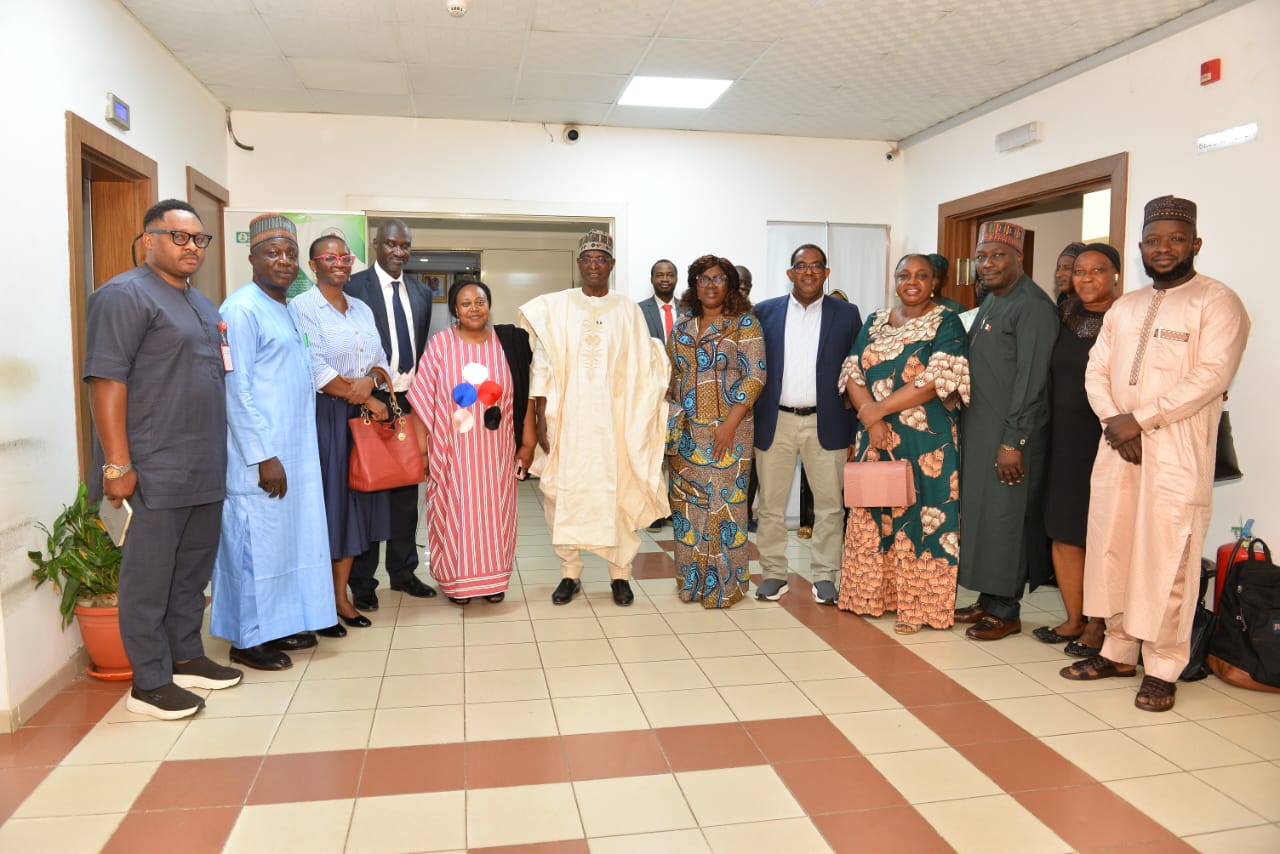
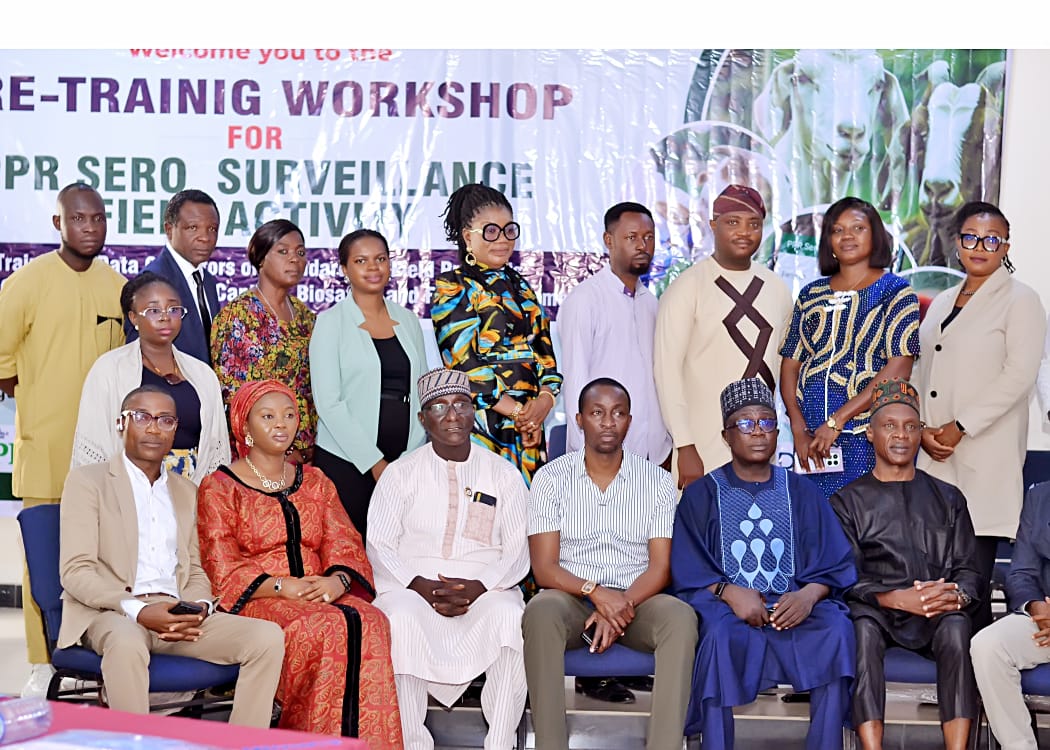
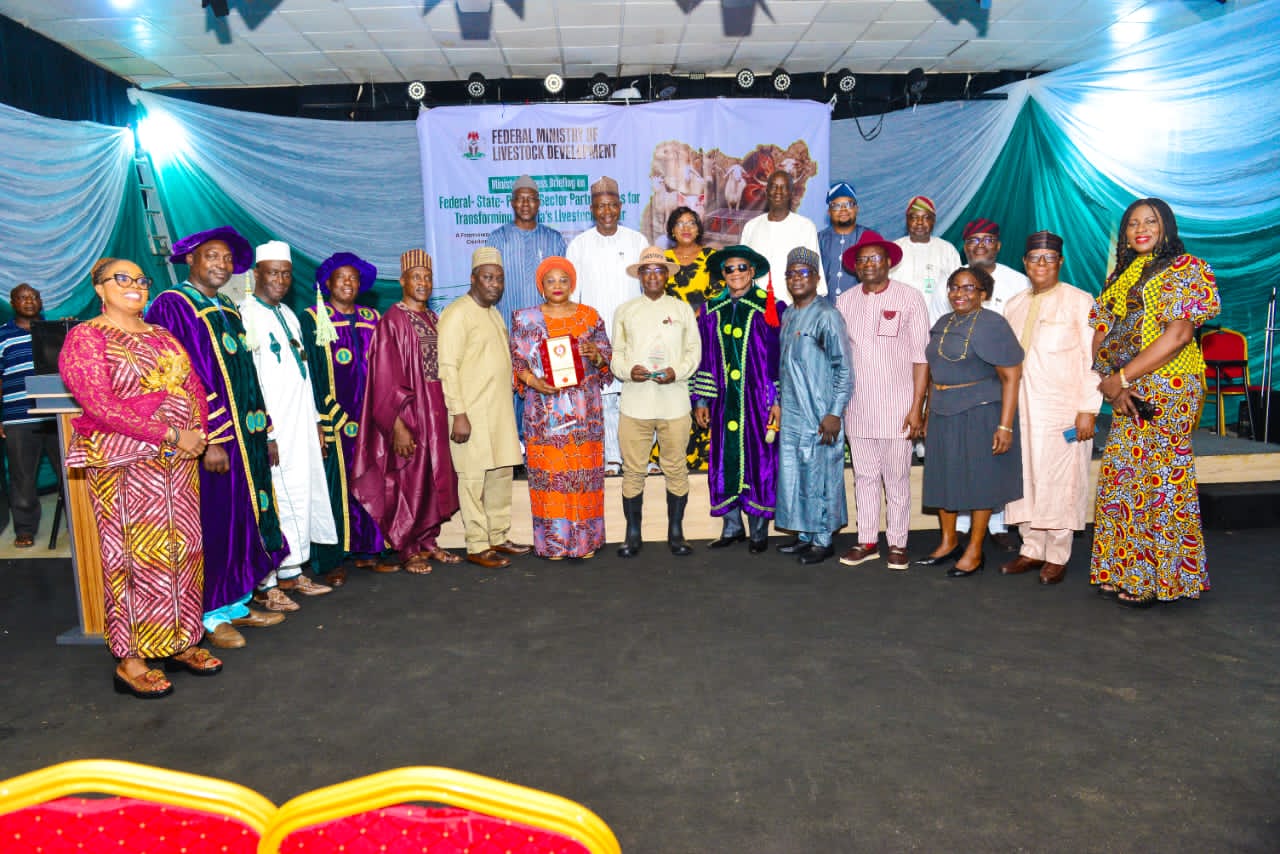
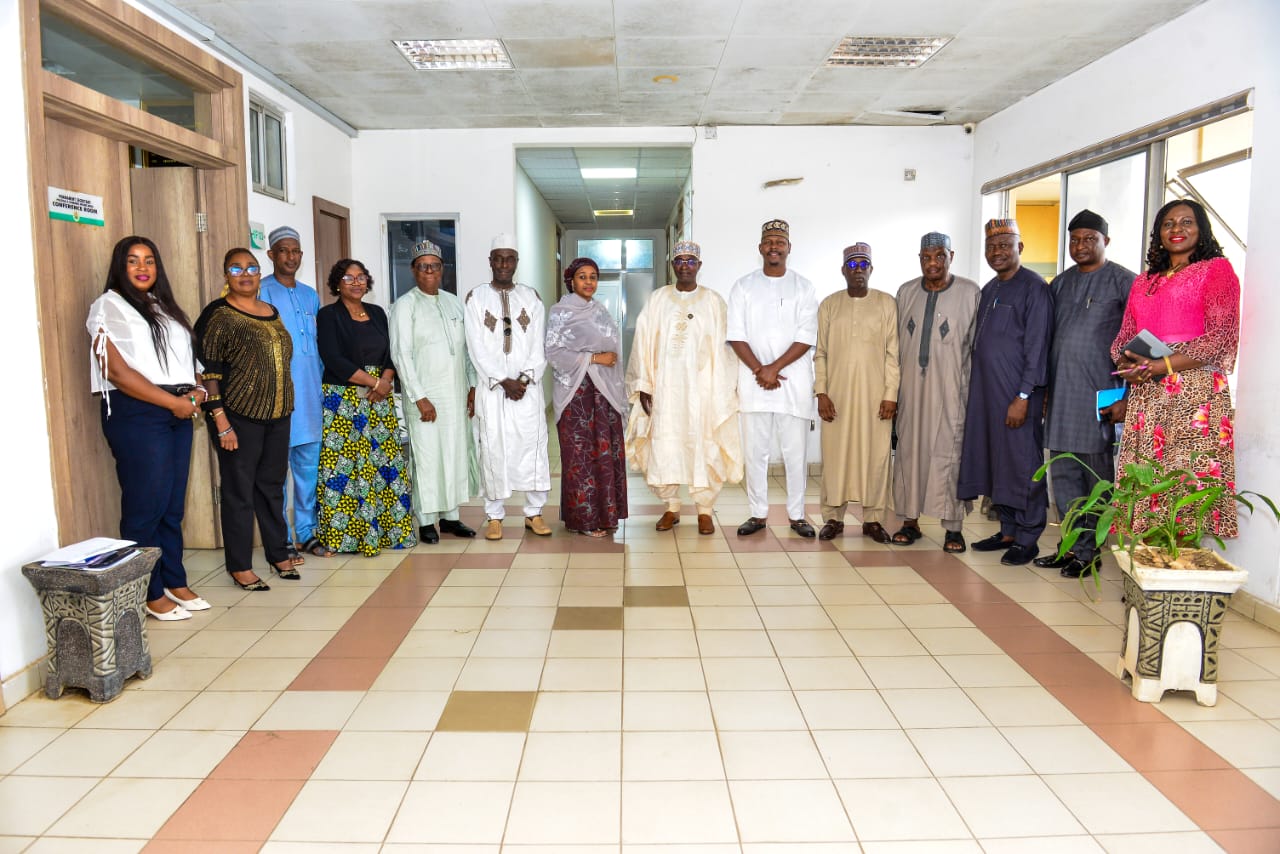
The Federal Government on Monday 20th July 2026, welcomed a high-level African Union Inter-African Bureau for Animal Resources (AU-IBAR) Monitoring and Evaluation Mission to assess Nigeria's preparedness and progress towards the eradication of Peste des Petits Ruminants (PPR) by 2030.
The mission, supported by the European Union and other development partners, will evaluate the implementation of Nigeria's National Strategic Plan for PPR eradication, review the country's veterinary systems and institutional capacity, identify implementation gaps and recommend measures to accelerate progress towards achieving a PPR-free status.
Speaking at the opening of the mission in Abuja, the Honourable Minister of Livestock Development, Idi Mukhtar Maiha, reaffirmed the Federal Government's commitment to the 2030 eradication target, stressing that Nigeria would continue to pursue the original timeline despite the extension of the global target to 2040.
While appreciating AU-IBAR for its sustained support to Nigeria's livestock sector, the Minister said the Federal Government remained determined to accelerate efforts towards the elimination of the disease, noting that PPR continues to threaten the livelihoods of millions of smallholder livestock farmers across the country.
"We are working towards 2030. We cannot afford to relax because we understand the devastating impact of PPR on rural livelihoods. Entire flocks are being wiped out, and for many households, particularly women, goats represent a critical source of income and financial security," the Minister said.
Mukhtar noted that the establishment of the Federal Ministry of Livestock Development reflects President Bola Ahmed Tinubu's commitment to positioning livestock as a major contributor to food security, economic diversification, employment generation and national prosperity.
He said Nigeria has made significant progress in strengthening disease surveillance, laboratory diagnostic capacity, veterinary governance, outbreak response, stakeholder engagement and vaccine availability, adding that the ongoing review of the country's National Strategic Plan, facilitated by AU-IBAR, would further strengthen coordinated action towards achieving eradication.
The Minister disclosed that the Federal Government is rehabilitating an abandoned building within the National Veterinary Research Institute (NVRI) to support large-scale local vaccine production, while vaccine production equipment has already been procured from the original manufacturer.
Upon completion and installation, the facility is expected to produce more than 100 million vaccine doses, significantly strengthening Nigeria's capacity to meet domestic demand and support regional animal health programmes.
Highlighting broader reforms in the livestock sector, Mukhtar revealed that 20 states now have dedicated livestock ministries or agencies, creating stronger institutional collaboration between the Federal Government and sub-national governments in implementing animal health programmes.
He also announced ongoing investments in modern veterinary infrastructure, including the construction of veterinary hospitals across the country, solar-powered vaccine storage facilities and quarantine and animal health control posts along Nigeria's international livestock corridors to strengthen disease surveillance and prevent the cross-border spread of transboundary animal diseases.
The Minister urged all stakeholders to engage actively and provide candid feedback throughout the mission that would help identify gaps and strengthen ongoing interventions. “We need constructive criticism. If there are weaknesses, tell us. If there are gaps, point them out. We do not want false assurances; we want honest assessments that will help us strengthen our programme and achieve our objectives,” he stated.
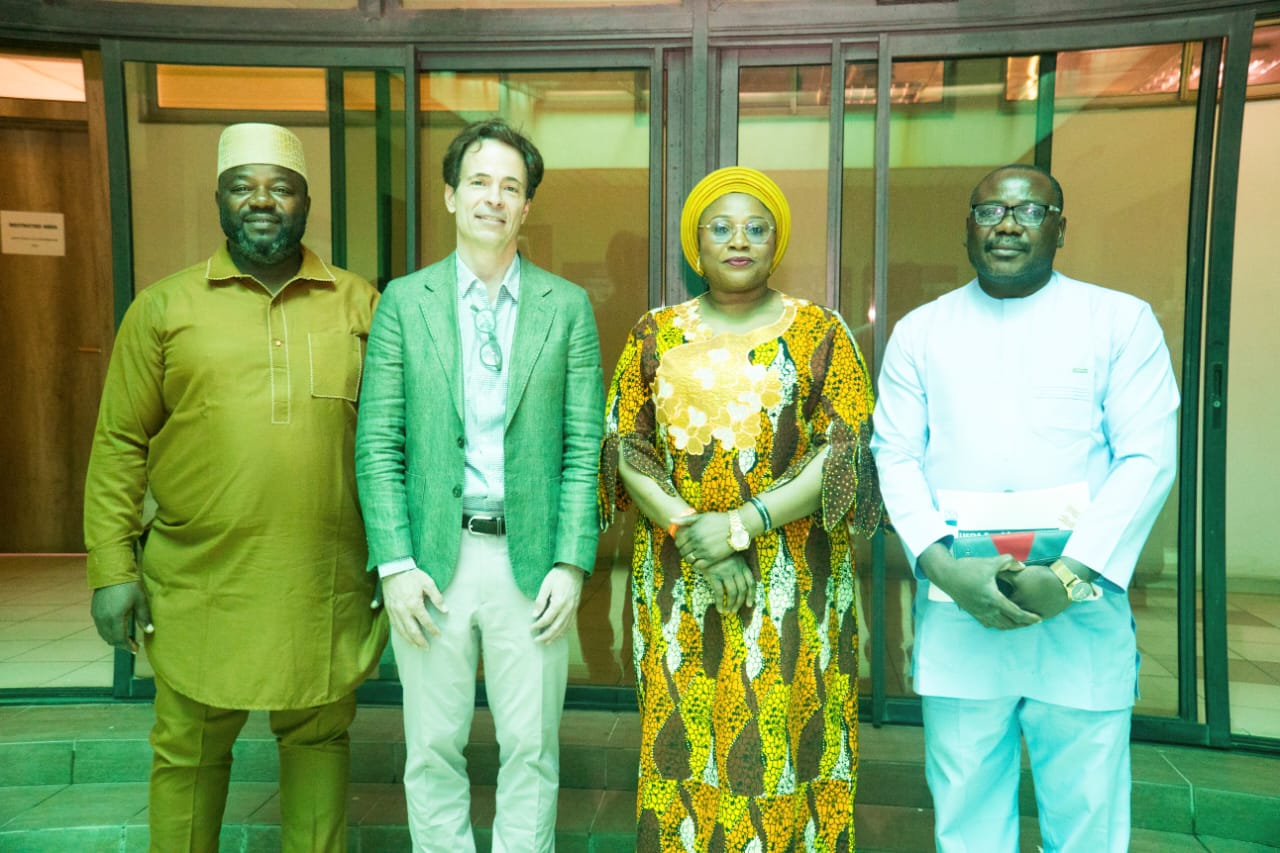
Earlier, AU-IBAR's Head of Monitoring and Evaluation, Dr. Ibrahim Cherno Jagne, said Nigeria occupies a strategic position in Africa's PPR eradication programme and described the country's stakeholder engagement as the most comprehensive among countries visited under the continental mission.
He disclosed that the African Union, with support from the European Union, is implementing a continent-wide PPR eradication programme valued at approximately $437 million, with additional funding being mobilised to strengthen member states' capacities for surveillance, planning, monitoring and disease control.
Also speaking, AU-IBAR Regional Coordinator for PPR Eradication in West Africa, Dr. Perdita Hilary Lopes, observed that Nigeria's large sheep and goat population and its extensive borders make the country central to Africa's eradication strategy.
She emphasised the need for risk-based vaccination, effective surveillance systems, functional cold chain infrastructure, strengthened laboratory capacity, robust governance and closer cross-border collaboration, stressing that Nigeria's success would significantly influence the continent's overall progress towards PPR eradication.
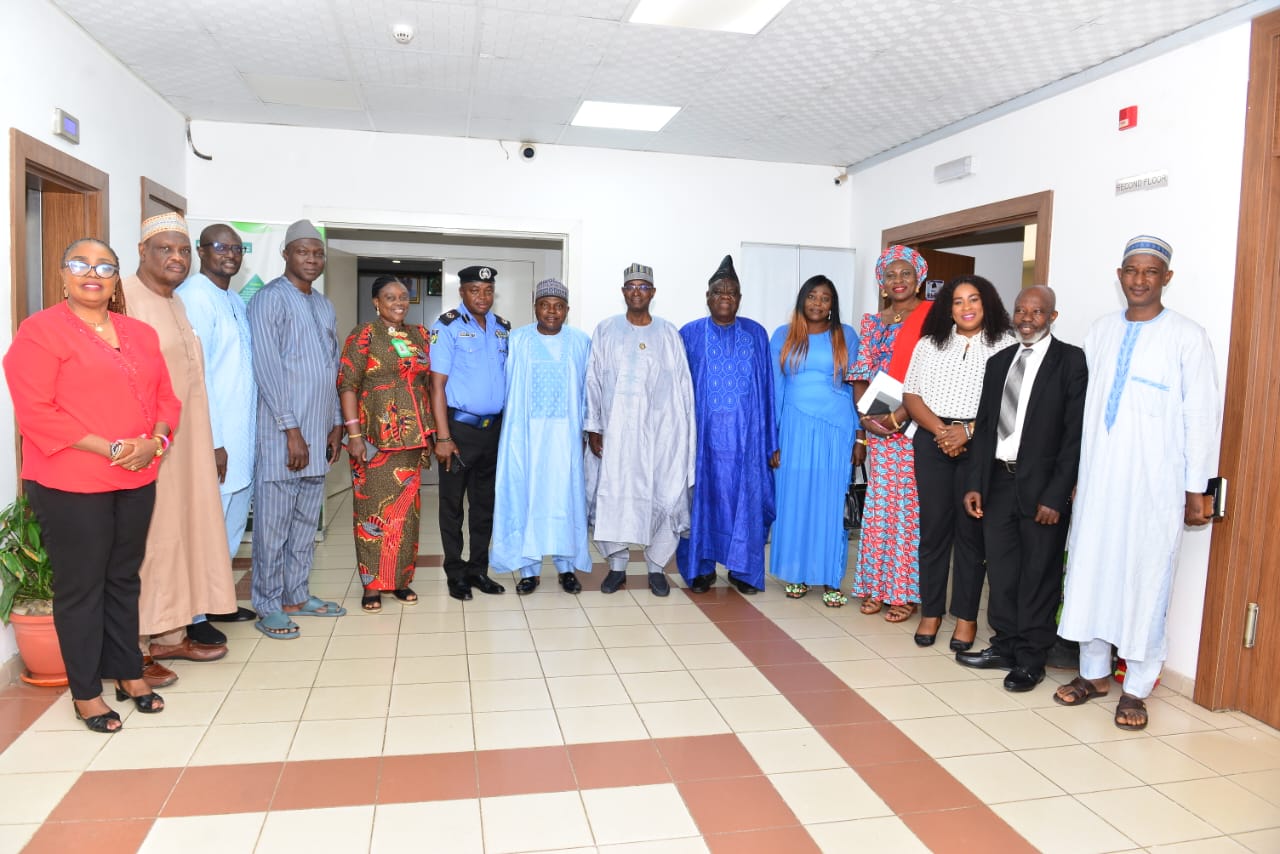
Representatives of the Food and Agriculture Organization (FAO), Propcom+, the Veterinary Council of Nigeria, the Sheep and Goat Farmers Association of Nigeria and other development partners pledged continued technical and institutional support for Nigeria's eradication efforts, while reaffirming the importance of coordinated action, local vaccine production and sustained investment in veterinary services.
The AU-IBAR mission will engage federal and state veterinary authorities, research institutions, livestock producers, development partners and other stakeholders to validate progress, identify implementation gaps and develop practical recommendations to accelerate Nigeria's journey towards a PPR-free status.
Henrietta Okokon
Deputy Director, Information and Public Relations
21st July, 2026


Comments on Post (0)