
Image Gallery:
FG Reaffirms Commitment to Eradicate PPR in Sheep and Goats by 2030
The Federal Government has reaffirmed its commitment to the control and eradication of Peste des Petits Ruminants (PPR), a highly contagious viral disease affecting sheep and goats, as part of efforts to promote livestock production and strengthen food security in Nigeria.
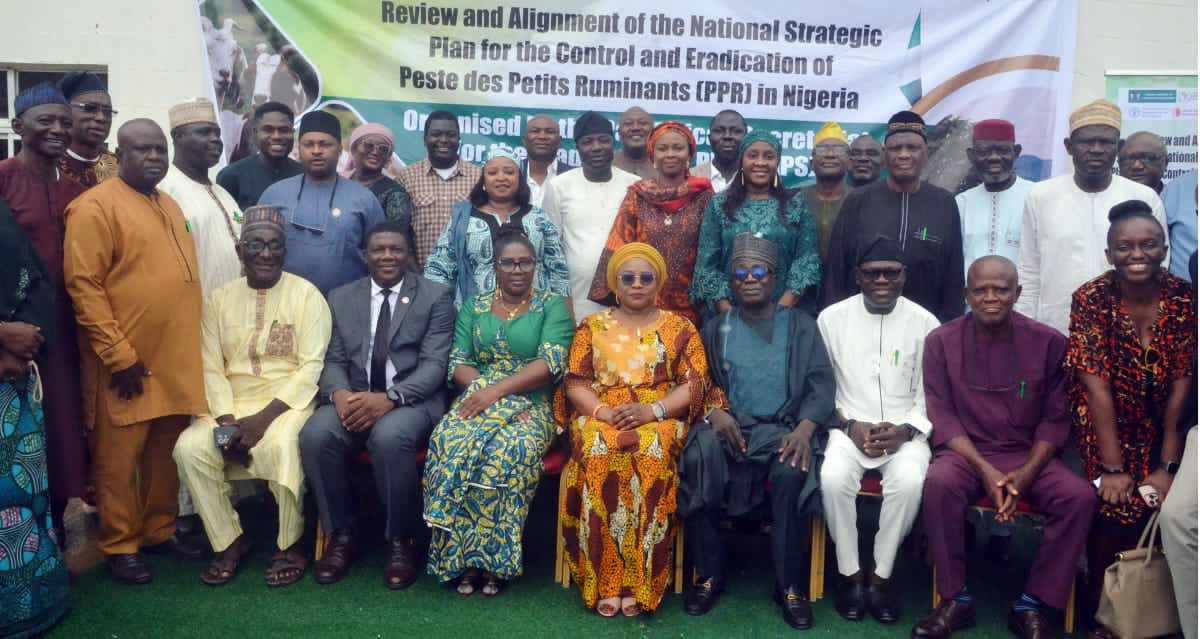
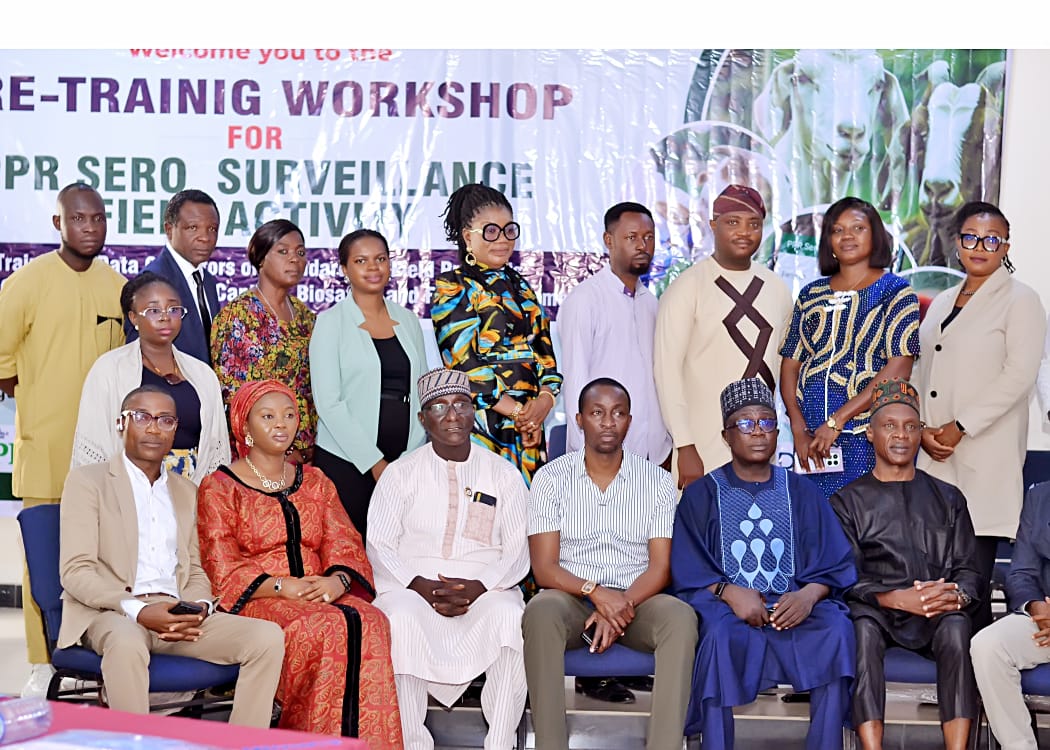
Speaking on behalf of the Federal Government, the Permanent Secretary, Federal Ministry of Livestock Development, Dr Chinyere Ijeoma Akujobi, made the commitment in her opening remarks at the two-day Stakeholders' Workshop on the Review and Update of Nigeria's National Strategic Plan (NSP) for the Control and Eradication of Peste des Petits Ruminants (PPR), held in Abuja from July 16 to 18, 2026.
Dr Akujobi described the control and eradication of PPR as not only an animal health objective but also a national development imperative. She noted that effective control of the disease would contribute significantly to poverty reduction, improve the resilience of rural communities, increase livestock productivity, and expand trade opportunities.
According to her, "Nigeria has remained fully committed to the global goal, under the leadership of the Food and Agriculture Organization (FAO) and the World Organisation for Animal Health (WOAH), to eradicate PPR by 2030.
"We have implemented a range of interventions, including disease surveillance, laboratory strengthening, outbreak investigations, targeted vaccination campaigns, stakeholder engagement, and capacity-building programmes aimed at reducing the burden of PPR while improving disease reporting and response systems."
The Permanent Secretary noted that small ruminants represent the primary economic safety net for millions of households across Nigeria, making their protection a key priority under the Federal Government's broader agricultural transformation agenda.
She explained that PPR remains one of the most economically devastating transboundary diseases affecting sheep and goats across Africa, Asia and parts of the Middle East.
"This disease continues to threaten livelihoods, reduce household incomes and constrain the growth of the livestock sector. Given that Nigeria has Africa's largest population of small ruminants—estimated at over 200 million sheep and goats—and shares major transboundary trade corridors with Niger, Benin, Cameroon and Chad, strengthening our control measures is imperative," she said.
Dr Akujobi stated that the workshop was designed to develop a robust, evidence-based National Strategic Plan for 2026–2030 that integrates veterinary services with cross-border trade standards and risk mitigation policies.
She commended international development partners, regional technical organisations and national experts for their continued support towards the eradication of PPR, adding that the Ministry would prioritise the development of a credible, fully costed implementation plan backed by a sustainable resource mobilisation strategy.
Earlier, the Chief Veterinary Officer of Nigeria, Dr Samuel Anzaku, said Nigeria had recorded commendable progress in animal disease control. He noted, however, that the existing National Strategic Plan required a comprehensive review to align with the Global PPR Eradication Programme, the Performance Monitoring and Assessment Tool (PMAT) roadmap benchmarks, and ECOWAS regional coordination mechanisms.
According to him, the technical focus of the workshop should include the integration of recent epidemiological and laboratory data, refinement of disease hotspot mapping, adoption of risk-based vaccination strategies, and strengthening of laboratory-epidemiology linkages.
"This structural update is vital to advancing Nigeria into PMAT Stage 2 and beyond, ensuring that every public and private investment delivers measurable scientific progress towards achieving a PPR-free nation," he added.
In her goodwill message, the representative of the African Union Inter-African Bureau for Animal Resources (AU-IBAR), Dr Perdita Hilary Lopes, said the eradication of PPR represents a strategic investment in resilient livestock systems, poverty reduction, women's economic empowerment, youth employment, sustainable rural development and improved food systems across Africa.
She added that achieving a PPR-free Africa by 2040 would contribute significantly to the aspirations of Agenda 2063, the Comprehensive Africa Agriculture Development Programme (CAADP), and the Sustainable Development Goals (SDGs).
Goodwill messages were also delivered by representatives of the UK-funded Propcom+, the National Sheep and Goat Development Association of Nigeria, the One Health and Development Initiative (OHDI), the National Veterinary Research Institute (NVRI), Directors of Veterinary Services from across the country, and other stakeholders.
Participants at the workshop were drawn from research institutes, academia, professional bodies, development partners and other key stakeholders in the livestock sector.
Henrietta Okokon
Deputy Director, Information and Public Relations Department
July 16, 2026






Comments on Post (0)