
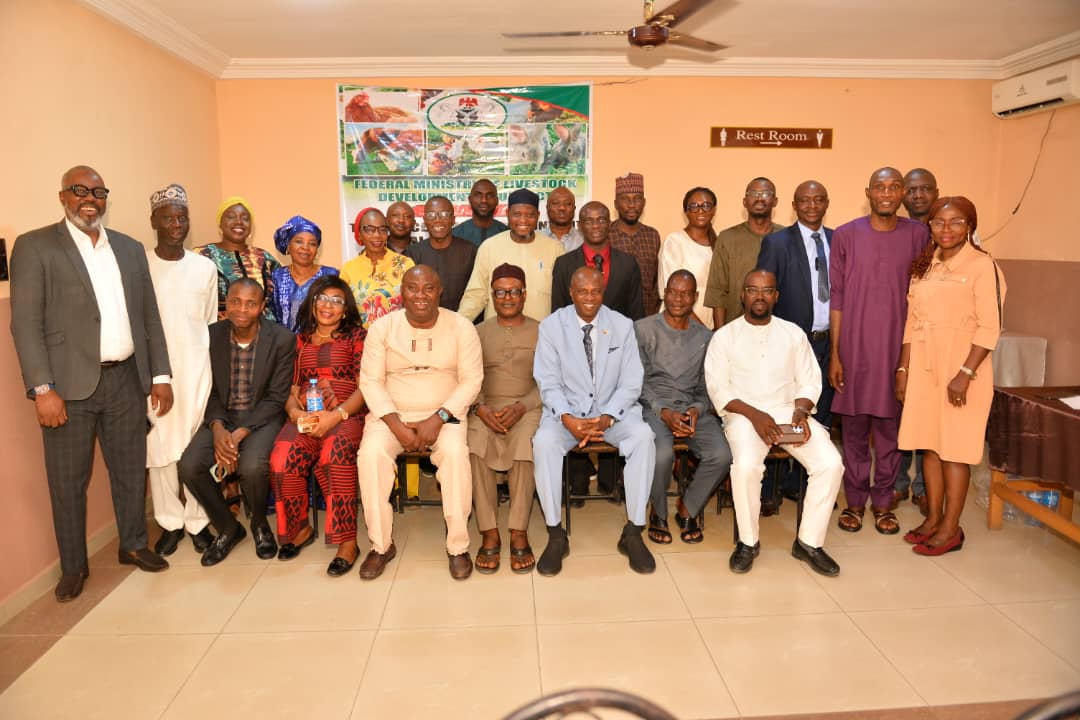
Image Gallery:
Livestock Ministry Trains Officers on Financial Governance
As part of an ongoing series of capacity-building initiatives to strengthen financial governance and accountability, the Federal Ministry of Livestock Development, in collaboration with the Office of the Accountant General of the Federation, has organised a capacity-building programme for key officers of the Ministry on financial roles and responsibilities, aimed at enhancing operational efficiency, competence, and professionalism in the management of public funds.
The five-day training, themed “Enhancing Financial Governance for Operational Efficiency: Roles and Responsibilities,” commenced in Abuja on Monday, 26 January and will run until Friday, 30 January 2026.
Over the last two weeks, the Ministry has also conducted a four-day training for treasury officers on proper record-keeping of financial statements with emphasis on the identification, recording and presentation of non-current assets, as well as a three-day in-house workshop on the operational procedures of key government digital payment platforms—GIFMIS, Remita and TaxPromax, further underscoring its commitment to transparency, accountability and efficient financial management.
Delivering brief remarks, the Head of Audit, Okara Godwin, explained that the participants are critical role players in the Federal Government’s payment and financial management platforms, including budgeting, auditing, accounting, and other related functions.
He noted that the training is designed to strengthen participants’ skills, improve performance, and serve as a refresher on core financial management principles acquired over the years.
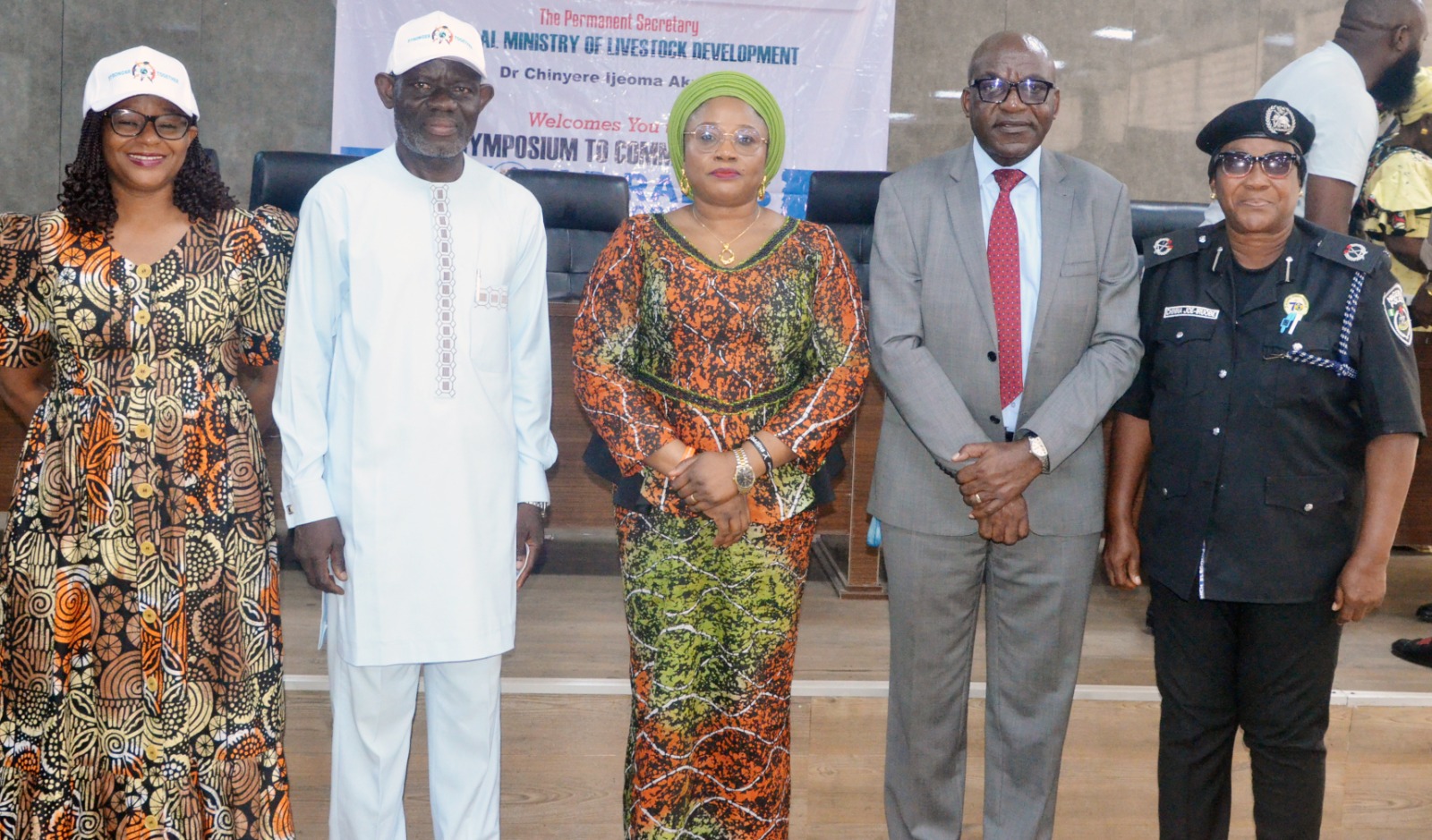
Mr. Okara urged participants to engage actively in the sessions, assuring them that the resource persons are seasoned professionals with vast experience in public financial governance. He also commended the Permanent Secretary, Dr. Chinyere Ijeoma Akujobi, for her support and commitment to ensuring the successful organisation of the training.
In a presentation titled “Understanding the Concept of Fiscal Budget Frameworks and Bottom-Up Cash Planning,” a resource person from the Office of the Accountant General of the Federation, Paul Oyetoki, explained that the budgeting cycle comprises formulation, approval, implementation, and monitoring and evaluation.
He further stated that the Federal Government of Nigeria budget consists of statutory transfers, debt service, recurrent expenditure, and capital expenditure.
According to him, fully funded Ministries, Departments and Agencies (MDAs) receive personnel, overhead, and capital allocations, while partially funded MDAs receive fewer than the three components.
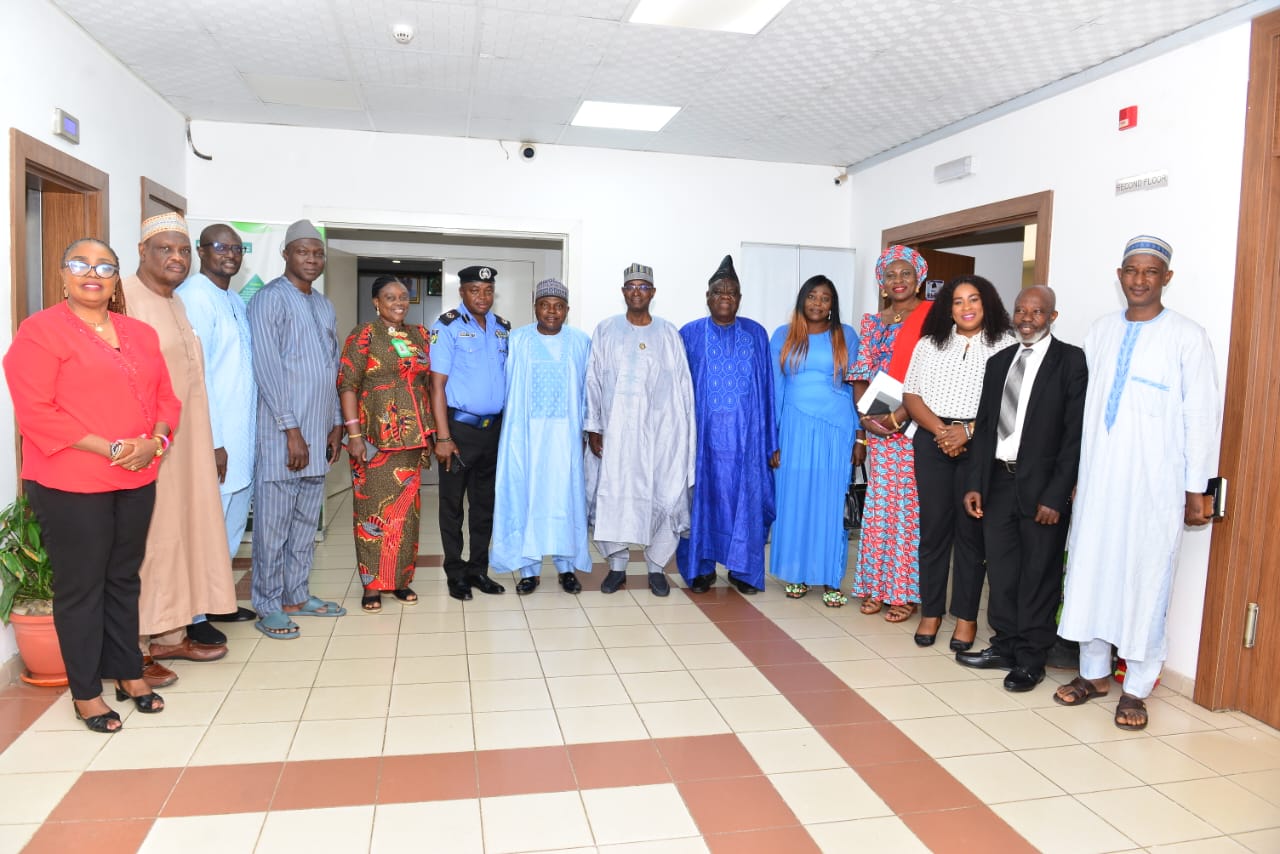
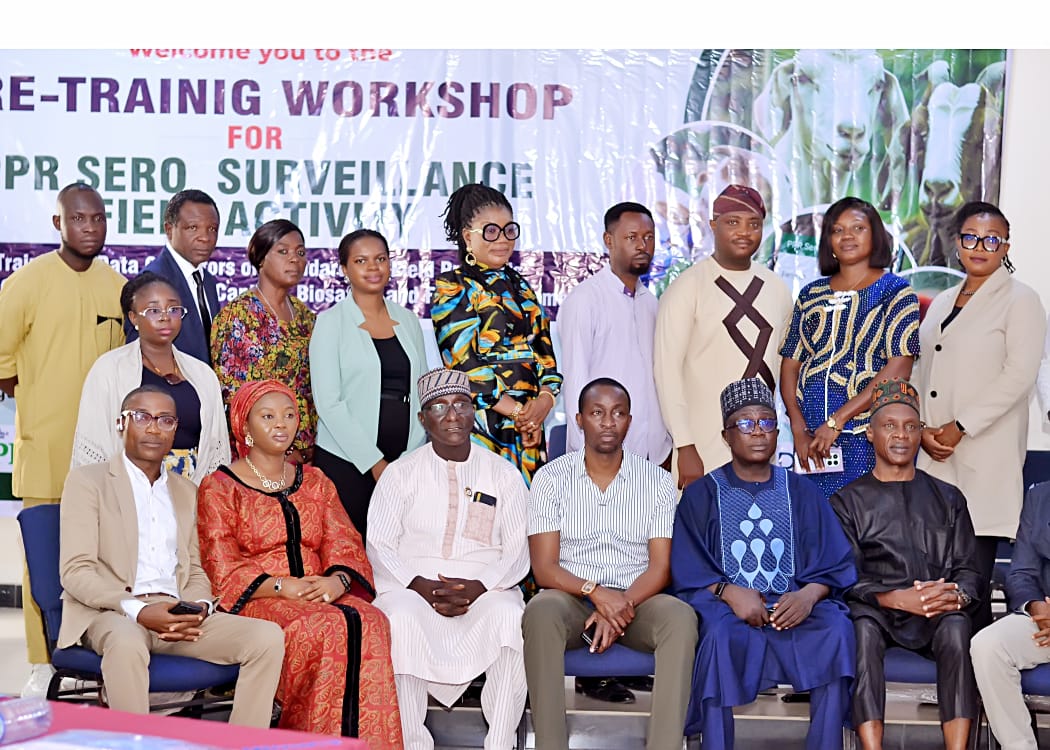
Participants at the training were drawn from the Audit, Finance and Accounts, General Services, Budget, and Procurement Departments, among others.
Ogochukwu Igboamalu
Assistant Chief Executive Officer (Information)
26th January, 2026

Comments on Post (0)